|
|
|
|
|
|
|
|
Why Fish Oil?
|
|
|
|
Americans are
Gaining Weight Are You?
|
|
|
|
Whey Protein
Boost Your Energy, Immune System and Metabolism
|
|
|
|
Food-Based Vitamins
Work Better
Only 1 in 40 vitamins are effective and
non-toxic: are yours?
Healthy
Vitamins Rx
|
|
|
|
Coconut Oil
Can Boost Your
Energy
Metabolism
Weight Loss
and More
|
|
|
|
|
|

|
|
|
 |
 |
|
|
|
Air Purifiers & Indoor Air Quality Information
|
|

Austin Air Purifiers
|

IQ Air Purifiers
|
|
Call for FREE ground shipping in the Continental U.S. for all Air Purifiers
|
|
|
How can I control the sources of pollution in my home?
|
|

|
- Use low emission paints & varnishes, carpets and furniture
- Use only non-toxic, natural cleaning and personal care products
- Banish your pets to the outside or garage
- Vacuum and clean regularly to keep the level of dust mites down
- Maintain low humidity in your home, by using exhaust fans
- Replace wall-to-wall synthetic carpet with tile or hardwood floors
- Service your combustion appliances regularly so as to decrease combustion emissions such as carbon monoxide and nitrogen oxides
|
- Get rid of combustion appliances
- Keep doors and windows shut when outdoor pollution levels are at unhealthy levels from smog and/or forest fires
|
|
The problem with this is that it is very difficult and very expensive to control all of the sources of pollution in our homes. Building and furnishing “green” homes is definitely a wave of the future, but most people don’t have a non-toxic “green” home today and don’t have the money to redo their house in a totally “green” way. Also, there are some things like forest fires and smog that we don’t have much day-to-day control over.
|
|
What do you mean by increasing ventilation?
|
|
This one’s simple – get more fresh air into your home! Open windows and doors, turn on kitchen and bathroom exhaust fans and mechanical ventilation systems (an example could be the fan on your central heat and air system, if it is vented to the outside). This problem with this is that both the weather and the outdoor pollution do not always make it feasible to bring in outside air.
|
|
Cleaning the Air
|
|
The third suggestion for reducing the pollution in your home is to use an air purification device to clean the air. Even though air cleaners by themselves are not the best solution to keeping your indoor air clean (source control is the best!), they can definitely be a part of the solution. According to the American Lung Association (ALA), air cleaning is recognized as one of the three strategies to improve indoor air quality. It has become increasingly popular as more and more people are developing asthma, allergies and sinus problems. For example, it is estimated that over 14 million people now have asthma, and the mortality rate due to asthma has almost doubled in the past decade (according to the ALA). Air cleaning has been widely used in industrial settings to control particulates, gases and vapors, and is now increasingly being turned to for residential settings.
|
|
Differences in Air Cleaners
|
|
There are vast differences in Air Cleaners based on what types of irritants they clean, how efficient they are, how noisy they are, etc. There are two basic categories of indoor air pollutants that air cleaners are designed to clean: particulate pollutants and gaseous pollutants. See table below for examples of each that are often found in our homes:
|
|
|
|
Particulate Pollutants
|
Gaseous Pollutants
|
- Dust
- Dust Mites
- Pet Dander
- Molds
- Pollens
- Viruses & Bacteria
- Tobacco Smoke
- Particles from Combustion Appliances
- Particles from Wildfires
- Particles from Diesel and Car Exhaust
|
- Carbon monoxide, nitrogen oxide and nitrogen dioxide from un-vented gas cooking and heating appliances, cigarette smoking and vehicle exhaust
- Out gassing from furnishings and building materials like particle board & plywood
- Personal Care Items
- Cleaning Products
- Paints & Varnishes
|
|
Particulate pollutants can cause problems when they are smaller than 10 microns in diameter in particular because they can be easily inhaled into the lungs. The smallest of these tend to either get stuck in the lungs where they can remain for years or get absorbed into the bloodstream.
The air cleaner you buy needs to target the type of pollutants you have in your home. If you have a need to get rid of particulate pollutants, you need to have an air filter that does a good job of that. If you have a problem with gaseous pollutants because you have chemical sensitivities, asthma, or a new or recently remodeled home, you need an air filter that does a good job of removing these gases
.
|
|
Air Purifiers and air cleaners Information...
|
|
Austin Air Purifiers
|
IQ Air Purifiers
|
|
|
|
|
|
|
|
|
FDA Disclaimer:
None of the statements on this website have been evaluated by the Food & Drug Administration (FDA). They are not intended to diagnose, treat, cure or prevent any disease or medical condition. Furthermore, none of the statements on this website should be construed as making claims about curing diseases or dispensing medical advice.
Please consult a physician or another health care provider before trying any nutritional supplement, making changes in your diet, or doing new exercises, especially if you are pregnant or have any pre-existing medical conditions or injuries.
|
|
|
©Copyright EcoViva™ 2003,2017
|
|
|
|
|
|
|
|
|
High Quality Whey
Protein Powder Works Better
Action Whey™
|
|
|
|
|
|
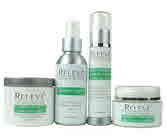
Releve
Natural Skin Care
|
|
|
|
Emerald Sea™
Powerful New Superfood
Organic Seaweed
|

|
|
|
|
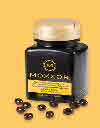
Moxxor
The most powerful all-natural omega-3 and antioxidants product on the planet
From the Pure Pristine Environment of New Zealand
|
|
|
|
|
|

|
|
|